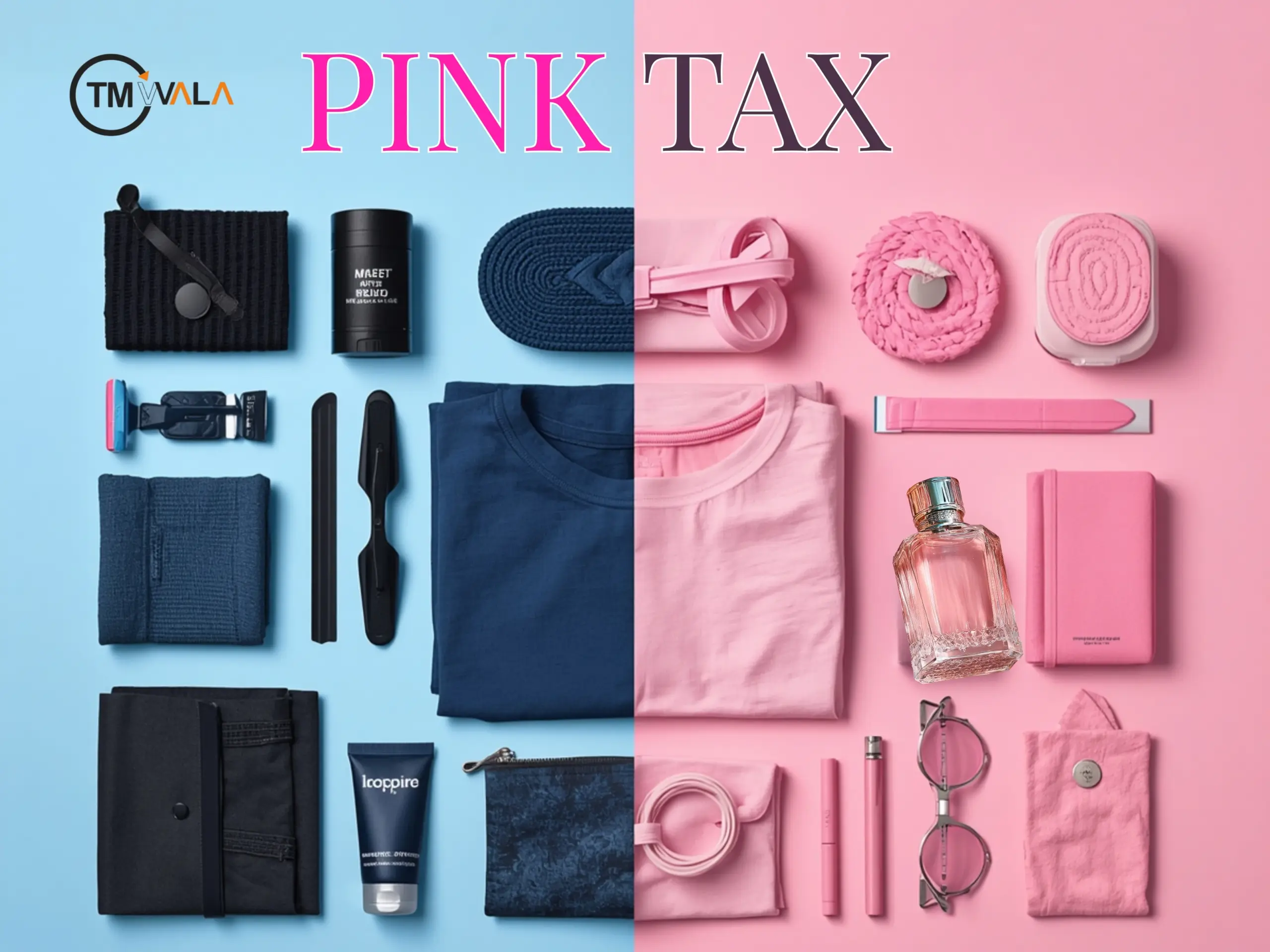
The term “pink tax” does not refer to an actual government-imposed tax. Instead, it describes a pricing practice in which products marketed specifically toward women are often more expensive than similar products marketed toward men. This difference is commonly seen in everyday items such as razors, deodorants, and other personal care products, even when there is little or no functional difference.
Studies suggest that women, on average, may pay around 7% to 13% more than men for comparable goods. These price differences are not the result of any legal policy but arise from business and marketing strategies. Companies often justify the higher prices by citing factors such as specialized packaging, product design, branding, or targeted advertising aimed at female consumers.
The concept of the pink tax has become an important topic in discussions about consumer fairness and gender-based pricing. This article aims to explore the idea in detail, including its meaning, origins, and the reasons why companies and brands adopt such pricing practices.
The concept of the “pink tax” gained formal attention in 1994 in California, when the term was first introduced to describe a growing concern in consumer markets. It highlighted a pattern where women were often charged more than men for similar goods and services across different locations. Although the pricing difference had likely existed for a long time, this period marked the beginning of its identification and discussion as a distinct issue. The term helped bring visibility to a long-standing practice of gender-based price variation in everyday consumer products.
The Pink Tax Repeal Bill has been introduced in different years (including 2016 and later reintroductions), but it has not become a law.
In June 2021, U.S. Congresswoman Jackie Speier reintroduced the Pink Tax Repeal Act (2021), a bipartisan proposal aimed at addressing gender-based price discrimination. The bill sought to prohibit differential pricing of consumer products and services that are substantially similar, when such price differences are based solely on the gender for which the products are marketed or intended.
The purpose of the bill “To prohibit the pricing of consumer products and services that are substantially similar if such products or services are priced differently based on the gender of the individuals for whose use the products are intended or marketed or for whom the services are performed or offered.”
The concept of the pink tax highlights an important issue of gender-based pricing disparities that exist in modern consumer markets. Although not an official tax, it reflects how women are often charged more for products that are similar or identical to those marketed toward men. This practice raises concerns related to fairness, equality, and consumer protection, and it indirectly affects women’s economic independence and purchasing power.
Various countries have taken steps to address this issue through tax reforms, policy investigations, and legislative measures, showing growing global awareness of gender-based pricing. However, despite these efforts, the problem still persists in many forms, especially in retail, personal care, and online markets.
TMWala can play an important role in reducing such disparities by promoting price comparison, transparency, and informed purchasing decisions. By helping consumers easily compare prices across similar products, TMWala can empower buyers to identify unfair pricing and choose more cost-effective options.
Overall, tackling the pink tax requires a combined effort from governments, businesses, and consumers. Stronger regulations, greater transparency, and increased awareness are essential to ensure fair pricing practices. Digital tools like TMWala further strengthen this effort by making markets more transparent and consumer-friendly, ultimately contributing to a more equal and fair economic system.
Get started instantly
"*" indicates required fields

TMWala
Your one stop shop for all your business registration and compliance needs.
"*" indicates required fields
Choose your Entity Type
Non-MSME/ Large Entitie
Individual/ MSME/ Sole Proprietorships
₹9,000.00 Original price was: ₹9,000.00.₹3,999.00Current price is: ₹3,999.00.
Trademark Application @ ₹3999* (Premium Discounted Plan for MSME/Individual/Sole Proprietorships) Comprehensive
Government Fees
₹4500/-
₹9,000.00 Original price was: ₹9,000.00.₹3,999.00Current price is: ₹3,999.00.
Trademark Application @ ₹3999* (Premium Discounted Plan for Non-MSMEs/Large Entities) Comprehensive
Government Fees
₹9000/-
Choose your Entity Type
Individual/ MSME/ Sole Proprietorships
Non-MSME/ Large Entities
₹3,500.00 Original price was: ₹3,500.00.₹1,999.00Current price is: ₹1,999.00.
Government Fees
₹4500/-
₹3,500.00 Original price was: ₹3,500.00.₹1,999.00Current price is: ₹1,999.00.
Government Fees
₹9000/-
Choose your Entity Type
Individual/ MSME/ Sole Proprietorships
Non-MSME/ Large Entities
₹1,500.00 Original price was: ₹1,500.00.₹999.00Current price is: ₹999.00.
Trademark Application @ ₹999* (Basic Discounted Plan for MSME/Individual/Sole Proprietorships) Best-Selling, Economical & Easy
₹1,500.00 Original price was: ₹1,500.00.₹999.00Current price is: ₹999.00.
Trademark Application @ ₹999* (Basic Discounted Plan for Non-MSMEs/Large Entities) Best-Selling, Economical, Quick and Easy