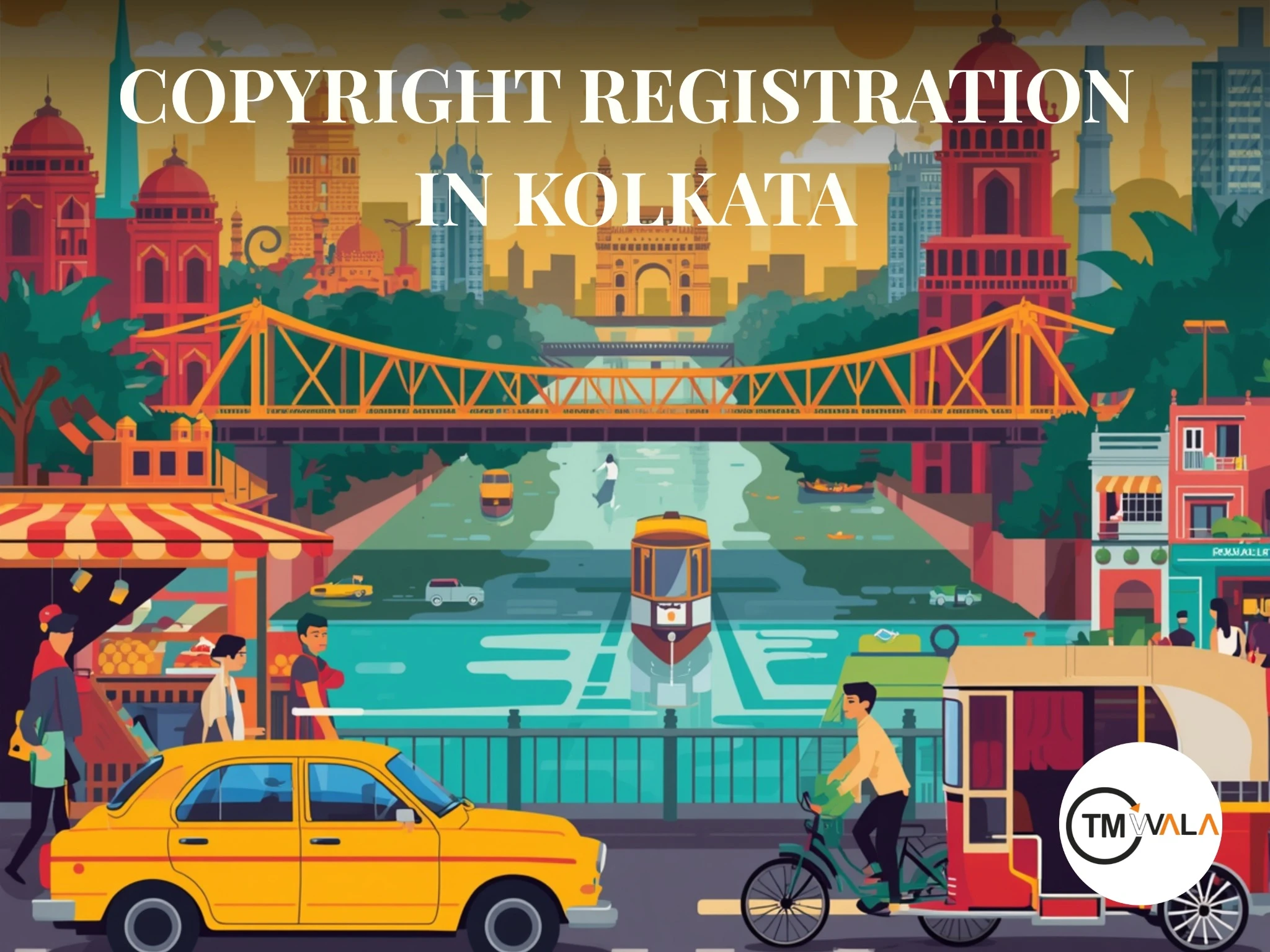
Kolkata has long been regarded as the cultural and intellectual capital of India. Known for its rich heritage in literature, music, art, cinema, and theatre, the city continues to inspire creators across generations. Alongside its artistic legacy, Kolkata is also witnessing rapid growth in industries such as media, publishing, software development, advertising, and digital content creation.
In today’s content-driven economy, original work holds immense value. Whether you are a writer, designer, musician, filmmaker, or entrepreneur, protecting your creative output is essential. This is where copyright registration becomes crucial. It not only safeguards your work from unauthorized use but also establishes your ownership legally.
This article provides a comprehensive overview of copyright registration in Kolkata, including its meaning, importance, benefits, process, eligibility, and required documents.
Copyright is a legal right that protects original creative works from being copied, reproduced, or distributed without permission. It applies to a wide range of creations, including:
In India, copyright is governed by the Copyright Act, 1957. Unlike trademarks, copyright protection exists automatically once a work is created and fixed in a tangible form. However, registering your copyright provides stronger legal evidence and added protection in case of disputes.
With Kolkata’s thriving creative and business ecosystem, copyright registration plays a vital role in protecting intellectual property. Here’s why it matters:
Copyright registration in Kolkata is open to a wide range of applicants. You do not need to be a large organization to protect your work. Eligible applicants include:
Even foreign nationals can apply for copyright registration in India for works created or published within the country.
Copyright protection covers various categories of creative work, including:
Each category has its own application requirements, so it is important to identify the correct type while applying.
The copyright registration process in India is conducted online and involves several stages. Understanding each step can help you avoid delays.
Step 1: Filing the Application– The process begins by submitting an application through the official copyright portal. The application must include details such as:
Each work requires a separate application.
Step 2: Payment of Fees – After submitting the application, the prescribed government fee must be paid. The fee varies depending on the type of work being registered.
Step 3: Diary Number Issuance – Once the application is successfully filed, a diary number is generated. This number is used to track the status of your application.
Step 4: Waiting Period (30 Days) – A mandatory waiting period of 30 days is provided to allow for objections. During this time, any third party can raise concerns regarding your claim.
Step 5: Examination of Application – If no objections are raised, the application is examined by the Copyright Office. In case of discrepancies or objections, clarification or additional documents may be required.
Step 6: Registration and Certificate Issuance – If the application is approved, the copyright is registered, and a certificate is issued. This certificate serves as legal proof of ownership.
To ensure a smooth registration process, you need to submit certain documents. These generally include:
Proper documentation helps avoid delays and ensures faster approval.
Copyright protection lasts for a significant period, depending on the type of work:
This long duration ensures that creators and their families benefit from the work for generations.
Although the process is relatively straightforward, applicants may face certain challenges:
Addressing these issues early can improve the chances of successful registration.
Kolkata continues to be a city where creativity thrives, whether through literature, art, music, or digital innovation. As the value of original content grows, so does the need to protect it.
Copyright registration is not just a legal safeguard; it is a strategic step toward securing your creative identity. It empowers you to control how your work is used, ensures recognition for your efforts, and opens doors to commercial opportunities.
By understanding the process, preparing the required documents, and ensuring accuracy in your application, creators and businesses in Kolkata can effectively protect their intellectual property.
In a city that celebrates creativity and expression, securing your copyright is a practical and forward-thinking investment in your future.
Get started instantly
"*" indicates required fields
TMWala
Your one stop shop for all your business registration and compliance needs.
"*" indicates required fields
Choose your Entity Type
Non-MSME/ Large Entitie
Individual/ MSME/ Sole Proprietorships
₹9,000.00 Original price was: ₹9,000.00.₹3,999.00Current price is: ₹3,999.00.
Trademark Application @ ₹3999* (Premium Discounted Plan for MSME/Individual/Sole Proprietorships) Comprehensive
Government Fees
₹4500/-
₹9,000.00 Original price was: ₹9,000.00.₹3,999.00Current price is: ₹3,999.00.
Trademark Application @ ₹3999* (Premium Discounted Plan for Non-MSMEs/Large Entities) Comprehensive
Government Fees
₹9000/-
Choose your Entity Type
Individual/ MSME/ Sole Proprietorships
Non-MSME/ Large Entities
₹3,500.00 Original price was: ₹3,500.00.₹1,999.00Current price is: ₹1,999.00.
Government Fees
₹4500/-
₹3,500.00 Original price was: ₹3,500.00.₹1,999.00Current price is: ₹1,999.00.
Government Fees
₹9000/-
Choose your Entity Type
Individual/ MSME/ Sole Proprietorships
Non-MSME/ Large Entities
₹1,500.00 Original price was: ₹1,500.00.₹999.00Current price is: ₹999.00.
Trademark Application @ ₹999* (Basic Discounted Plan for MSME/Individual/Sole Proprietorships) Best-Selling, Economical & Easy
₹1,500.00 Original price was: ₹1,500.00.₹999.00Current price is: ₹999.00.
Trademark Application @ ₹999* (Basic Discounted Plan for Non-MSMEs/Large Entities) Best-Selling, Economical, Quick and Easy