In today’s fast-paced digital world, understanding copyright and fair use is more critical than ever. With technology reshaping how content is created, shared, and consumed, creators, users, and legal professionals must clearly grasp these concepts to avoid legal pitfalls while fostering creativity.
What is Copyright and Fair Use?
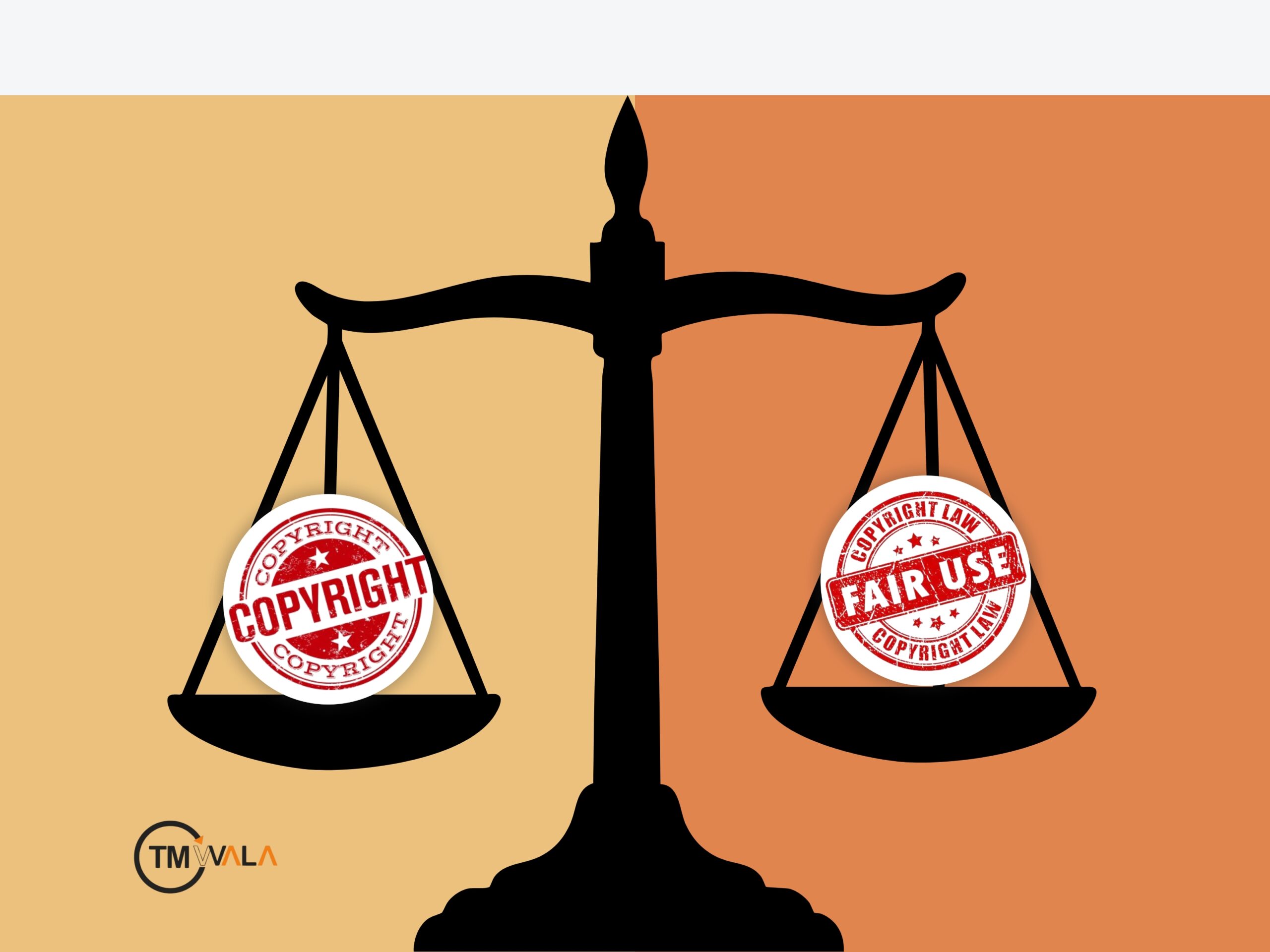
Copyright is a legal protection granted to creators of original works, including literature, music, art, films, and software. It gives creators exclusive rights to reproduce, distribute, publicly display, perform, and adapt their work. These rights incentivize creativity by ensuring creators can control and benefit from their intellectual property.
To protect your work with the Copyright mark, visit our online shop.
Fair Use, on the other hand, allows limited use of copyrighted material without explicit permission. It serves the public interest by promoting commentary, criticism, research, teaching, news reporting, and scholarship. The key is that fair use should not undermine the economic rights of creators while enabling innovation and knowledge-sharing.
In India, fair use is referred to as “fair dealing” under the Copyright Act, which permits limited use of copyrighted works for research, review, criticism, teaching, and private study. Whether a use qualifies as fair dealing depends on factors like the purpose, nature of the work, the extent of use, and its impact on the market for the original work.
Key Legal Provisions in India
The Copyright Act, 1957, provides a framework to protect creative works while allowing certain exceptions:
- Section 13: Types of works protected under copyright
- Section 14: Exclusive rights of copyright holders
- Section 51: Acts constituting copyright infringement
- Section 52: Exceptions, including fair dealing
These provisions ensure a balance between protecting creators and allowing public access to knowledge and creative content.
Fair Use vs Infringement
The distinction is critical:
- Fair use: Legal use for purposes like teaching, commentary, or research, considering purpose, nature, amount, and market effect.
- Infringement: Unauthorized use of copyrighted material that violates the creator’s exclusive rights.
Violating these boundaries can lead to costly lawsuits, damages, and injunctions. Understanding fair use is essential for creators, educators, businesses, and content platforms.
Landmark Cases
- R.G. Anand v. Deluxe Films: R.G. Anand sued for infringement when a film allegedly adapted his play. The court clarified that copyright protects expression, not ideas. Only substantial similarity in expression constitutes infringement.
- Google LLC v. Oracle America, Inc.:Google used Oracle’s Java code for Android. The Supreme Court ruled it was a fair use because the use was transformative, limited, and had minimal market impact. The case emphasizes that transformative use and limited copying can qualify as fair use, especially in software development.
Challenges in the Digital Era
The digital age has blurred the lines between copyright infringement and fair use. Social media, streaming platforms, and AI-generated content make it easy to replicate and share material widely. This raises new legal questions around ownership, attribution, and copyright enforcement.
In India, courts increasingly face cases involving digital piracy, online streaming, and intellectual property violations. Laws are evolving to address these challenges while maintaining a balance between protecting creators and enabling access for users.
Practical Guidance for the Digital Age
Creators and users can navigate fair use by following these strategies:
- Understand the four factors: Assess the purpose, nature, amount, and market effect of using copyrighted content.
- Conduct fair use analysis: Evaluate whether your intended use qualifies before publication.
- Provide attribution: Credit original creators to respect rights and reduce risk.
- Seek permission when unsure: Avoid infringement by obtaining rights proactively.
- Stay updated: Keep track of changes in copyright laws and emerging legal precedents.
How TMWala can help
TMWala provides an end-to-end platform for creators, educators, and businesses to navigate copyright issues safely. From automated copyright checks to licensing guidance, TMWala ensures that your content adheres to legal requirements while maximizing creative freedom. Its tools help identify potential infringement risks, manage fair use compliance, and offer expert legal insights, simplifying copyright management in the fast-evolving digital world.
By combining legal expertise with technology, TMWala empowers creators to innovate confidently, maintain compliance, and protect their intellectual property without getting bogged down in legal complexities.
Conclusion
Understanding copyright and fair use is essential in the digital age. While copyright protects creators’ works, fair use and fair dealing safeguard public interest, education, and innovation. Landmark cases like R.G. Anand v. Deluxe Films and Google v. Oracle highlight how courts balance these interests.
For creators, platforms, and educators navigating digital content, practical strategies backed by expert tools like TMWala can ensure legal compliance, foster creativity, and protect intellectual property. By staying informed and proactive, creators can thrive in a digital ecosystem without risking infringement.