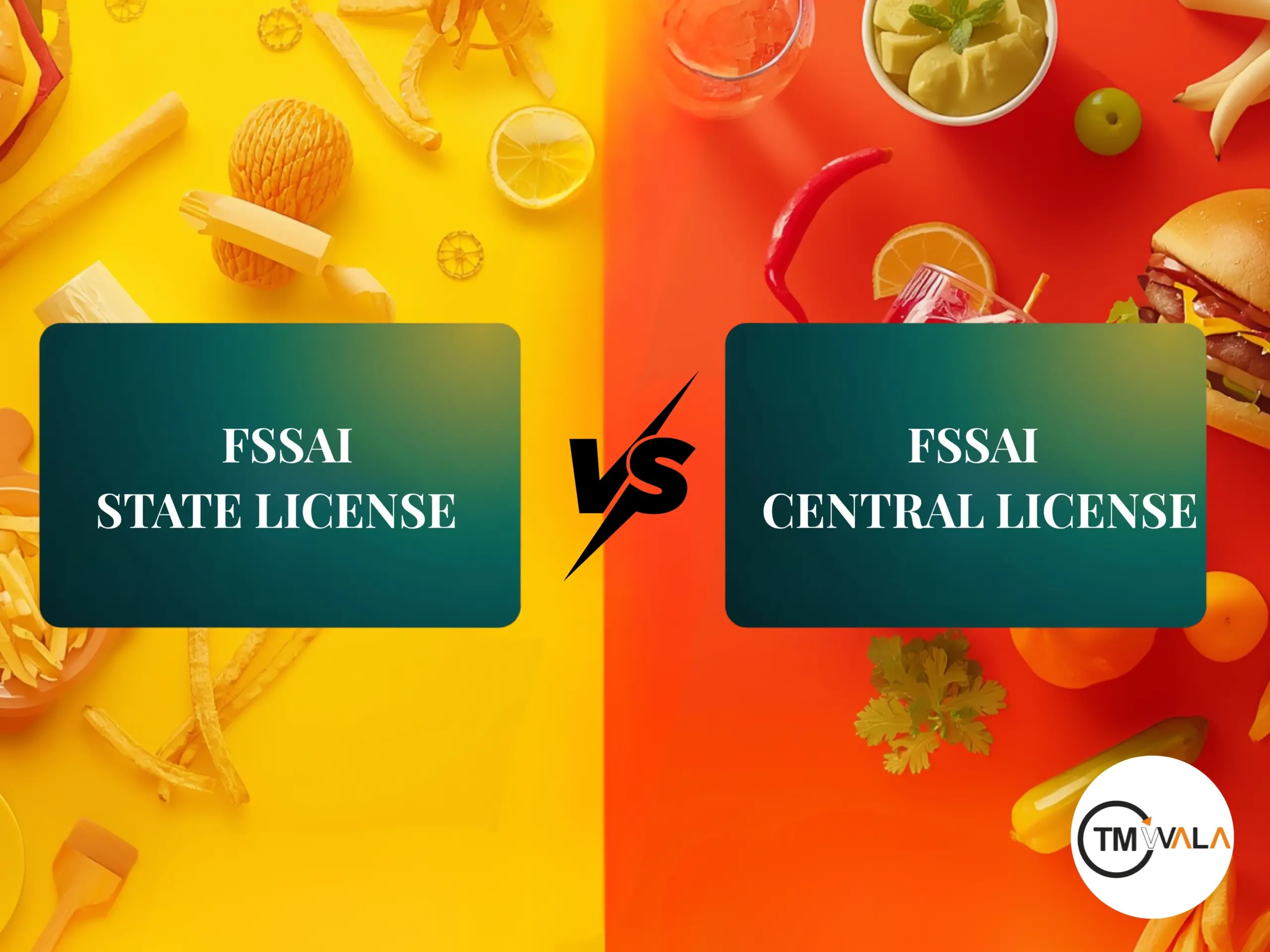
Starting or running a food business in India comes with strict regulatory responsibilities, and one of the most important is obtaining the correct FSSAI State license. Many business owners struggle with understanding the FSSAI central license vs state license, which often leads to incorrect applications, delays, or even legal complications. Choosing the wrong license category can disrupt operations and create unnecessary compliance burdens.
This is where expert guidance becomes valuable. Platforms like TMWala assist food businesses in identifying the correct license type, preparing documentation, and ensuring smooth application through the FoSCoS portal.
India follows a structured licensing system governed by the Food Safety Standards Authority of India, ensuring that food products are safe, hygienic, and suitable for consumption. Whether you are a small home-based food seller or a large manufacturer, understanding the difference between FSSAI state and central licenses is essential for compliance and growth.
The Food Safety and Standards Authority of India (FSSAI) is the regulatory body established under the Food Safety and Standards Act, 2006. Its primary objective is to regulate and supervise food safety across the country. Every entity involved in food-related activities must obtain a food business operator license before commencing operations.
This requirement applies to a wide range of businesses, including:
Operating without a valid license is considered a legal violation and may result in penalties, cancellation of business activities, or prosecution.
| Register your FSSAI License with TMwala
FSSAI follows a three-tier licensing system based on business size, turnover, and operational scope:
Among these, the most common confusion arises in FSSAI state license vs central license, which requires careful evaluation of eligibility criteria.
The State FSSAI License is designed for medium-sized food businesses that operate within a single state. It is issued by the respective State Government’s Food Safety Department.
Key Features:
Suitable For:
Understanding FSSAI state license eligibility is crucial for businesses that fall within this category. Eligibility depends not only on turnover but also on production capacity and type of operations.
The Central FSSAI License is the highest level of certification and is issued directly by the central authority. It is mandatory for large-scale businesses and those operating across multiple states or internationally.
Key Features:
Suitable For:
Businesses must carefully evaluate FSSAI central license eligibility before applying, as incorrect classification can lead to rejection or compliance issues.
Understanding what is the difference between a state license and a central FSSAI license is helps businesses make the right decision. Below are the major distinctions:
These differences clearly define the difference between the FSSAI state and central licenses and help businesses align their compliance requirements.
To qualify for a state license, businesses must meet the following criteria:
FSSAI Central License Eligibility
Businesses must apply for a central license if:
Careful evaluation of FSSAI central license eligibility ensures businesses remain compliant and avoid regulatory issues.
The role of the state food authority in FSSAI is fundamental in maintaining food safety standards at the regional level. These authorities act as the backbone of enforcement and compliance.
Key Responsibilities:
The effectiveness of the state authority ensures that food businesses adhere to national standards while addressing local challenges.
Applying for an FSSAI license is done through the FoSCoS portal. The process involves:
Errors in application details or incorrect license selection are common reasons for rejection. This is where TMWala plays an important role by guiding applicants through each step and ensuring accuracy.
For both state and central licenses, businesses typically need:
Central licenses may require additional documentation due to the scale and nature of operations.
FSSAI licenses must be renewed before expiry to avoid penalties. Non-compliance may result in:
Maintaining hygiene standards, proper labeling, and regular audits is essential for continued compliance.
Understanding the nuances of FSSAI state license vs central license helps prevent these issues.
Navigating FSSAI regulations can be complex, especially for new entrepreneurs. TMWala simplifies the process by:
This ensures that businesses obtain their food business operator license without delays or complications.
Choosing between a state and central FSSAI license is a critical decision that directly impacts your business operations and compliance. Understanding the FSSAI central license vs state license framework, along with eligibility requirements and operational scope, ensures that businesses remain legally compliant and avoid unnecessary setbacks.
The Food Safety and Standards Authority of India has established a robust system to protect public health, and every food business must align with its regulations. By clearly understanding what the difference between a state license and the central FSSAI license is, businesses can make informed decisions and focus on growth.
For those who want a smooth, error-free process, TMWala offers expert support at every stage, from selection to approval, helping businesses stay compliant and confident in their operations.
Get started instantly
"*" indicates required fields
TMWala
Your one stop shop for all your business registration and compliance needs.
"*" indicates required fields
Choose your Entity Type
Non-MSME/ Large Entitie
Individual/ MSME/ Sole Proprietorships
₹9,000.00 Original price was: ₹9,000.00.₹3,999.00Current price is: ₹3,999.00.
Trademark Application @ ₹3999* (Premium Discounted Plan for MSME/Individual/Sole Proprietorships) Comprehensive
Government Fees
₹4500/-
₹9,000.00 Original price was: ₹9,000.00.₹3,999.00Current price is: ₹3,999.00.
Trademark Application @ ₹3999* (Premium Discounted Plan for Non-MSMEs/Large Entities) Comprehensive
Government Fees
₹9000/-
Choose your Entity Type
Individual/ MSME/ Sole Proprietorships
Non-MSME/ Large Entities
₹3,500.00 Original price was: ₹3,500.00.₹1,999.00Current price is: ₹1,999.00.
Government Fees
₹4500/-
₹3,500.00 Original price was: ₹3,500.00.₹1,999.00Current price is: ₹1,999.00.
Government Fees
₹9000/-
Choose your Entity Type
Individual/ MSME/ Sole Proprietorships
Non-MSME/ Large Entities
₹1,500.00 Original price was: ₹1,500.00.₹999.00Current price is: ₹999.00.
Trademark Application @ ₹999* (Basic Discounted Plan for MSME/Individual/Sole Proprietorships) Best-Selling, Economical & Easy
₹1,500.00 Original price was: ₹1,500.00.₹999.00Current price is: ₹999.00.
Trademark Application @ ₹999* (Basic Discounted Plan for Non-MSMEs/Large Entities) Best-Selling, Economical, Quick and Easy