
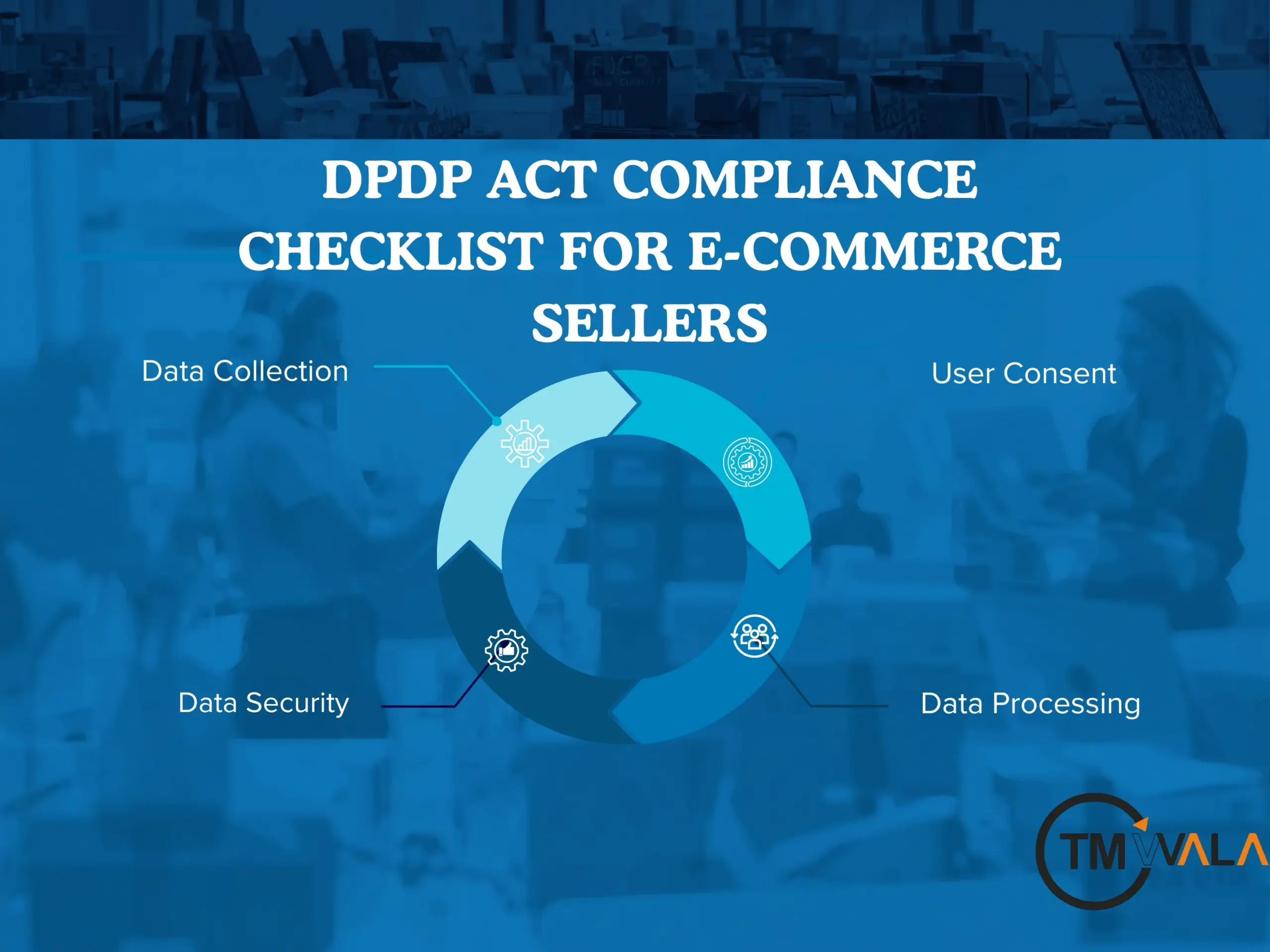
India’s e-commerce system is growing fast. Millions of businesses are growing and processing customer information every day. These businesses handle a lot of data. This includes names, phone numbers, addresses and payment details. They also handle browsing behaviour and purchase history.
With many people using digital transactions protecting customer information is very important. The Digital Personal Data Protection Act, 2023 is a law that helps protect personal data in India. This law tells organisations what they must do to protect data. The Digital Personal Data Protection Act, 2023 sets rules for organisations that collect and process data. E-commerce sellers are treated as Data Fiduciaries. Data Fiduciaries must make sure they process customer data in a way.
The Ministry of Electronics and Information Technology has given rules to help implement the Digital Personal Data Protection Act, 2023. For businesses following the Digital Personal Data Protection Act, 2023 is not just about having a privacy policy. Online businesses need to do a lot of things. They need to manage consent keep customer data safe and make sure they do not keep customer data for long. They also need to respect customer rights manage vendors and check if they are following the rules.
The Digital Personal Data Protection Act, 2023 is important for e-commerce sellers. Businesses, like TMWala can help e-commerce sellers. They can help them check their privacy practices prepare documents make their privacy policies stronger and implement processes. This will help e-commerce sellers follow India’s data protection rules. The Digital Personal Data Protection Act, 2023 is a law that will help keep customer’s information safe.
The DPDP Act focuses on protecting digital personal data collected from individuals, known as Data Principals. Businesses that decide why and how personal data is processed are known as Data Fiduciaries.
For an e-commerce seller, personal data may include Customer name, Mobile number, Email address, Delivery address, Payment-related information, Account login details
Every stage of handling this information, including collection, storage, sharing, analysis, and deletion, falls under data processing responsibilities.
The objective of the law is to ensure that organisations collect only necessary information, process it for legitimate purposes, maintain security safeguards, and respect user rights.
1. Identify All Personal Data Collected
The first step toward privacy compliance is understanding what personal data your business collects.
E-commerce sellers should create a data inventory covering:
A proper data mapping exercise helps businesses identify where customer information is stored and who has access to it.
2. Create a Transparent Privacy Policy
A clear privacy policy is one of the most important requirements for e-commerce privacy compliance.An effective ecommerce privacy policy should explain as to what personal data is collected
A privacy policy should be written in simple language so customers can understand how their data is handled.
For businesses operating in India, an updated privacy policy India document should reflect DPDP Act requirements rather than relying only on older IT Act-based policies.
3. Implement Proper Consent Management
The DPDP framework places importance on meaningful and informed consent.
E-commerce sellers should establish a proper consent management system that records:
Businesses should avoid practices where users are forced to provide unnecessary information unrelated to purchasing products.
4. Provide a Clear Privacy Notice
A privacy notice should be available when collecting customer information.For example, during any transaction customer should know why their address and contact details are required and collected. This transparency builds customer trust as well as ensure compliance of DPDP act.
5. Strengthen Cybersecurity Measures
Protecting personal data requires strong cybersecurity practices grounded in cyber laws in India.
E-commerce sellers should implement measures such as:
A cybersecurity failure can damage customer trust and may create regulatory concerns under data protection India requirements.
6. Establish Data Retention Policies
Many businesses store customer data indefinitely without reviewing whether it is still required.The DPDP compliance approach requires businesses to think carefully about data retention.
8. Maintain Customer Rights Management Processes
Customers have rights regarding their personal data under the DPDP framework.Businesses should prepare processes to handle requests related to:
A dedicated customer privacy process helps businesses respond efficiently and maintain compliance.
9. Conduct Regular Compliance Audits
A compliance audit helps identify gaps between current business practices and DPDP Act requirements.
E-commerce sellers should regularly review:
Regular audits help businesses avoid compliance risks and improve their overall privacy framework.
10. Train Employees on Data Privacy
Employees often handle customer information during:
Businesses should train employees on:
A privacy-aware workforce reduces accidental data exposure.
Many online sellers face compliance challenges because of below common mistakes:
The DPDP Act has made it very important for e-commerce sellers in India to protect the information of their customers. To do this they need to be clear, about how they use customer information get permission from customers keep customer information safe and check everything to make sure they are doing things correctly. This helps businesses follow the rules and makes customers trust them. TMWala helps e-commerce businesses simplify DPDP compliance by supporting privacy documentation, compliance processes, and data protection practices, enabling sellers to operate confidently in India’s evolving digital landscape.
Get started instantly
"*" indicates required fields

TMWala
Your one stop shop for all your business registration and compliance needs.
"*" indicates required fields
Choose your Entity Type
Non-MSME/ Large Entitie
Individual/ MSME/ Sole Proprietorships

₹9,000.00 Original price was: ₹9,000.00.₹3,999.00Current price is: ₹3,999.00.
Trademark Application @ ₹3999* (Premium Discounted Plan for MSME/Individual/Sole Proprietorships) Comprehensive
Government Fees
₹4500/-
₹9,000.00 Original price was: ₹9,000.00.₹3,999.00Current price is: ₹3,999.00.
Trademark Application @ ₹3999* (Premium Discounted Plan for Non-MSMEs/Large Entities) Comprehensive
Government Fees
₹9000/-
Choose your Entity Type
Individual/ MSME/ Sole Proprietorships
Non-MSME/ Large Entities

₹3,500.00 Original price was: ₹3,500.00.₹1,999.00Current price is: ₹1,999.00.
Government Fees
₹4500/-
₹3,500.00 Original price was: ₹3,500.00.₹1,999.00Current price is: ₹1,999.00.
Government Fees
₹9000/-
Choose your Entity Type
Individual/ MSME/ Sole Proprietorships
Non-MSME/ Large Entities
₹1,500.00 Original price was: ₹1,500.00.₹999.00Current price is: ₹999.00.
Trademark Application @ ₹999* (Basic Discounted Plan for MSME/Individual/Sole Proprietorships) Best-Selling, Economical & Easy
₹1,500.00 Original price was: ₹1,500.00.₹999.00Current price is: ₹999.00.
Trademark Application @ ₹999* (Basic Discounted Plan for Non-MSMEs/Large Entities) Best-Selling, Economical, Quick and Easy